
Fish Production and The Oyetola Push For Self Sufficiency As NIMASA Seek Innovators
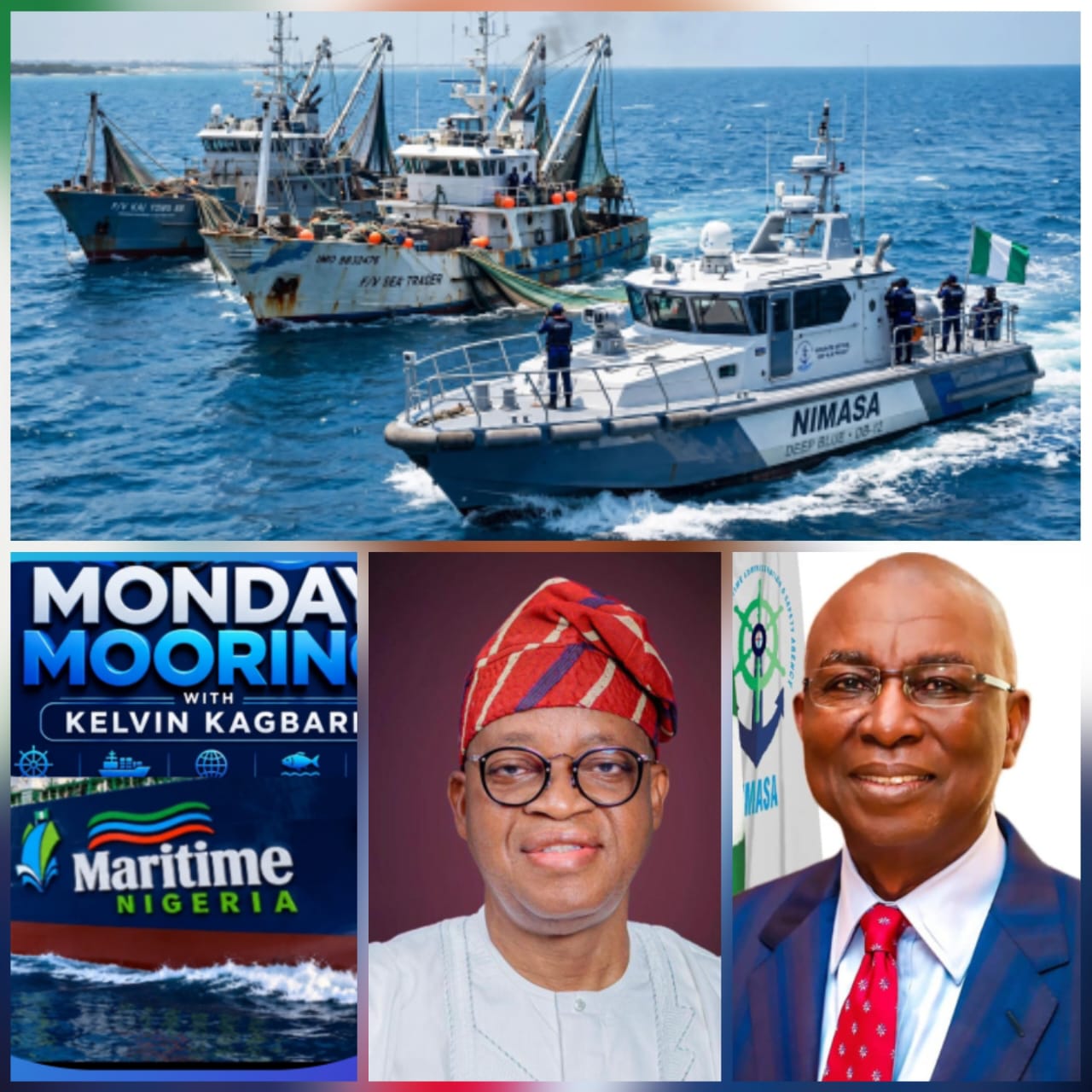
By Kelvin Kagbare, Lagos
“The true measure of success will not be the policies we formulate, but the industries we build; not the strategies we publish, but the jobs we create; not the investments we announce, but the prosperity we deliver to millions of Nigerians” Alhaji Aliko Dangote, represented by the Managing Director of Dangote Port Operations, Mr. Akin Omole, at the Federal Ministry of Marine and Blue Economy’s Second Quarter 2026 Citizens/Stakeholders’ Engagement in Lagos.
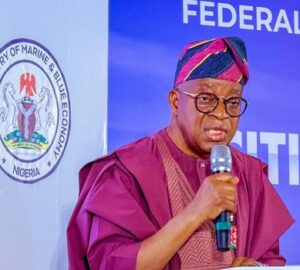
The minister of the marine and blue economy, Dr. Adegboyega Oyetola has demonstrated deep concern on the high cost of continued fish importation by Nigeria-estimated at over $1billion annually.
Fish import is put at 3.4metric tons per year. Nigeria local production is put at a little over 1 metric ton per annum. To fill the gap, Nigeria spends over $1billion every year to make fish available to Nigerian families.
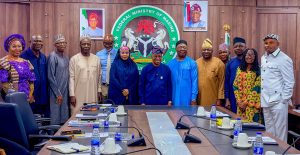
Worried by this unfortunate development, Minister Oyetola inaugurated a committee to find solutions on how to drastically reduce if not abolish fish importation by Nigeria.
The Minister has also approved the digitisation of Nigeria’s fish import licensing process signalling the Federal Government’s renewed commitment to modernising marine administration while strengthening domestic fish production capacity; stressing that the initiative represents a critical reform designed to reposition Nigeria’s fisheries sector for sustainable growth and competitiveness.
“The digitisation of fish import licensing is a major step towards eliminating administrative bottlenecks, improving transparency and ensuring that our regulatory processes align with global best practices. This reform will not only simplify procedures for genuine operators but will also strengthen government oversight, promote accountability and support our broader objective of boosting local fish production,” the Minister said.
According to ministry sources, when completed, the digitisation initiative will provide real-time data monitoring capabilities, enabling the Ministry to accurately track import volumes, evaluate supply gaps and implement evidence-based policy decisions. Improved data analytics will support more strategic planning for Nigeria’s fisheries sector, ensuring that import licences are granted in line with national food security priorities while protecting local producers from unfair competition.
“The digital system is also expected to strengthen regulatory compliance by ensuring that only qualified and duly registered importers receive licences, thereby curbing illegal and unregulated importation activities that have historically undermined local aquaculture investments” the minister declared.
As a member of the West Africa Sustainable Ocean Programme (WASOP), Nigeria has expressed readiness to leverage on the €59 million EU fund and intensify efforts against illegal, unreported and unregulated (IUU) fishing and strengthen the sustainable management of its marine resources.
Related Posts
The Fisheries Committee for the West Central Gulf of Guinea (FCWC) is a regional body established in 2007 to promote cooperation in fisheries management among its six Member States of Benin, Côte d’Ivoire, Ghana, Liberia, Nigeria, and Togo. Its mandate is to harmonise policies, enhance monitoring and surveillance, combat IUU fishing, and foster the sustainable use of fisheries and aquaculture resources to improve food security and livelihoods in the region. Efforts must be intensified in this area to combat IUU in the West African Sub Region.
It is our view that other solution to reduce fish imports by Nigeria are:
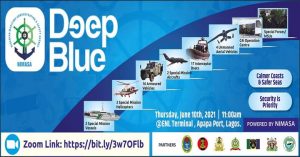
Securing Our Waters-A top priority for NIMASA
It is estimated that Illegal, Unreported and Unregulated (IUU) fishing by foreign fleets costs Nigeria an estimated $70 million annually in lost license fees and stock depletion. By deploying technology, NIMASA, NIWA and the Navy could have a joint Vessel Monitoring System (VMS), activate satellite surveillance of the EEZ, and enforce the Fisheries Act with real penalties. Without security at sea, no aquaculture policy will work-This must be of topmost urgency to NIMASA to make Cabottage effective and the Blue Economy Accelerators program a success.
Fixing The Value Chain, Not Just The Farm
Fish farming is growing, with over 1 million smallholders. But 60% of them fail in the first two years because of three bottlenecks: feed, fingerlings and cold chain.
Nigeria imports 70% of fish feed ingredients. Government must incentivize local production of soybean, fishmeal from fish processing waste, and floating feed mills in Ogun, Delta and Cross River and Rivers as well as the Kogi, Benue clusters.
Cold infrastructure.
Over 40% of artisanal catch is lost post-harvest for lack of ice, storage and jetties. Building six regional fish processing hubs with solar cold rooms along the Lagos-Badagry, Oron-Ibaka, and Lokoja-Baro axis could cut waste by more than half.
Funds For Aquaculture
The Central Bank’s Anchor Borrowers model transformed rice production in Nigeria. The same must be done for fish. Create a single-digit Blue Aquaculture Fund, provide insurance and give fishing communities access to outboard engines, nets and on lease-to-own basis.
Improved surveillance and Security to ensure self sufficiency in fish production by NIMASA in collaboration with other agencies should be prioritized before embarking on program and initiatives that seems diversionary.
A one billion fish deficit in addition to other national obligations requires NIMASA’s urgent attention. Maritime experts are of the view that over 80% of the fish allegedly imported by Nigeria are caught by foreign trawlers on Nigeria water, processed on board vessels and “imported” by Nigeria. This is a trend that must be reversed.
Self-sufficiency will not come from banning fish importation overnight. It will come from making local production cheaper and more profitable than smuggling. With the political will and direction Nigeria could close the fish gap in a few years and turn its waters into jobs/wealth for citizens.