
Choking in Apapa, Idle in Calabar: Fixing Nigeria’s One-Sided Maritime System
Nigerian Eastern Ports Need Urgent Modernization

By Ibrahim Nasiru
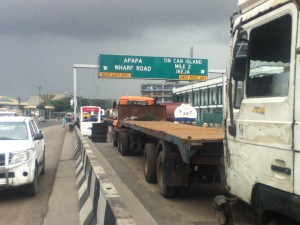
For decades, Nigeria has been doing something completely upside down with its maritime business. We have over 850 kilometers of beautiful coastline, yet we force almost all our international trade to squeeze through just two choked locations: Apapa and Tin Can Island in Lagos. The result? Nightmare traffic jams, crazy demurrage fees, and local businesses dying because their goods are trapped at sea for weeks.
But from what we saw at the World Maritime Day celebration in Lagos, a real, common-sense change might finally be on the horizon.

The Minister of Marine and Blue Economy, Dr. Adegboyega Oyetola, laid out a very clear plan under the theme, “From Policy to Practice: Powering Maritime Excellence.” He promised that the government is fully committed to modernizing ports outside Lagos—specifically Onne, Warri, and Calabar—while building new deep seaports in places like Ondo, Ibom, and Bonny. He also unveiled a big drive to train young Nigerian sailors to global standards so they can compete for jobs anywhere in the world.
As an analyst who looks at the actual numbers, this is where we need to pay close attention.
The ministry has already scored some big wins. Getting the United States Coast Guard to lift its long-standing security restrictions on ships coming from Nigeria is a massive deal. It means fewer delays, lower shipping insurance costs, and cheaper goods for ordinary Nigerians when those savings drop down the supply chain. Also, moving our local fish production from 1.1 million to 1.4 million metric tonnes shows that things are actually moving.
Related Posts
However, during her keynote presentation at the event, maritime expert Mrs. Mfon Ekong Usoro hit the nail on the head. She reminded stakeholders that Nigeria’s maritime future depends entirely on moving from sound paperwork to actual, visible results. Let’s tell ourselves the home truth: the real success of Oyetola’s ministry will not be judged by the fine speeches or brilliant policies presented at luxury hotels. It will be judged by how quickly we can break the monopoly of the Lagos ports.

Opening up the eastern and southern ports is no longer just a good idea; it is a matter of economic survival. When you make Onne, Warri, and Calabar fully functional, you instantly bring life back to regional economies, create thousands of local jobs, and make things cheaper for tens of millions of citizens living outside the South-West.
But a port is completely useless if you cannot get goods out of it. You cannot run a modern port if you rely only on heavy trucks fighting broken roads. Oyetola’s ministry must work hand-in-hand with the Ministry of Transport. We need to see working rail lines laid straight into the ports of Onne and Calabar, connecting them directly to Inland Dry Ports like Baro and Onitsha.
Also, the government must use the new Nigerian Ports Economic Regulatory Agency Act to completely crush the official corruption, crazy hidden charges, and delays that have historically scared international shipping lines away from our eastern ports.
The roadmap is there, and the international community is already noticing through the lifted US security restrictions. Now, the federal government needs the political muscle to build the rail and road connections to back it up. It is time to move from policy to practice, open up our eastern waterways, and let the whole country breathe.
Ibrahim Nasiru is Public Affairs Analyst.