
The Green Port Imperative: Beyond the Analogue Horizon (4)
Nigerian Port Development
By Ibrahim Nasiru
The global maritime industry is currently navigating an irreversible transition toward decarbonisation. For a littoral maritime nation like Nigeria, moving toward a “Green Port” model is no longer an optional environmental line item or a luxury corporate social responsibility project; it is a strict macroeconomic imperative for operational survival.
If our Port infrastructure fails to meet international eco-compliance standards, our maritime gateways will eventually face severe international isolation, increased freight premiums, and punitive carbon penalties from global shipping lines.
Transitioning to green Ports completely reshapes a nation’s competitive maritime mathematics through a dual mechanism of technological velocity and asset optimization.
First, modern megaships and top-tier global shipping lines actively prioritize maritime hubs that offer smart vessel scheduling, eco-efficient infrastructure, and green refueling options. Green certification instantly elevates a nation’s Port status from an analogue harbour to a premium global transit hub.
Second, implementing automated energy grids and shore-power connections drastically reduces vessel turnaround times, lowering long-term administrative overhead and insulating the Port from volatile fossil fuel costs.
In Nigeria’s current Port modernisation drive, Green Port development represents the ultimate missing link between superficial digital upgrades and physical back-end infrastructure execution.
Related Posts
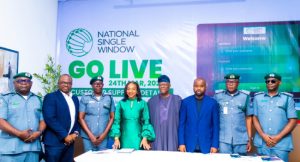
As I continuously argue in my maritime audits, including ‘The Single Window Illusion,’ true automation cannot stop at the front-end software portal. It must extend to the hard, physical operations on the ground. Nigeria cannot claim to be modernizing its Ports under the new national single window frameworks if our terminal gates and cargo handling ecosystems remain entirely tied to archaic, carbon-heavy, analogue operational models.
The current placement of Green Port metrics within Nigeria’s master plan reveals critical operational touchpoints that must be aggressively enforced. The ongoing, high-stakes infrastructure reconstruction plans for the Lagos Port Complex (Apapa), Tin Can Island, Rivers, and Delta Ports must not merely replace broken concrete. They must serve as the foundation for hardcoding eco-efficient cargo handling systems, automated crane networks, and green energy infrastructure directly into the Port layout.
The Lekki Deep Sea Port already stands as the definitive blueprint for what is possible. By integrating automated ship-to-shore cranes and advanced terminal tracking software, Lekki demonstrates that technological velocity naturally reduces vessel idling times and cuts down on emissions. The rest of our legacy Ports must match this baseline.
Furthermore, the Nigeria Customs Service’s transition to the new B’Odogwu Unified Customs Management System provides a clean runway for this transition. By eliminating manual parallel paper trails and streamlining electronic manifest transmissions, it directly reduces the carbon footprint generated by thousands of clearing agents printing and moving physical files across commands.
However, the access corridors remain our greatest structural vulnerability. You cannot achieve a green Port ecosystem when thousands of diesel-guzzling trucks are stuck in gridlock along the access roads due to manual checkpoints and bridge shakedowns. True green modernization requires the aggressive expansion of the Electronic Call-Up System (Eto), expanding rail cargo connectivity, and deploying inland barges to completely eliminate physical Port gate congestion.
Nigeria’s Port modernization drive cannot succeed on paper alone. For the National Single Window and our master Port designs to transition from policy declarations into a genuine economic catalyst, the presidency and the NPA must treat green Port development as a mandatory statutory requirement.
Until the physical gate complies with global eco-technological standards, the Port infrastructure remains structurally grounded.
Chief Ibrahim Nasiru
A Public Affairs Analyst writes from Abuja