
THE NSW MASTERCLASS (PART SEVEN): The Lekki Model: Re-Engineering Nigeria’s Port Ecosystem via Digital Automation
National Single Window in Nigeria
By Ibrahim Nasiru
Nigeria’s maritime sector has reached a critical turning point where manual clearing systems can no longer support our economic growth.

For decades, our Ports have been choked by slow paper trails, physical examinations, and long human queues. These bottlenecks do not just delay cargoes; they cost businesses billions of Naira in daily demurrage and drive inflation across the country.
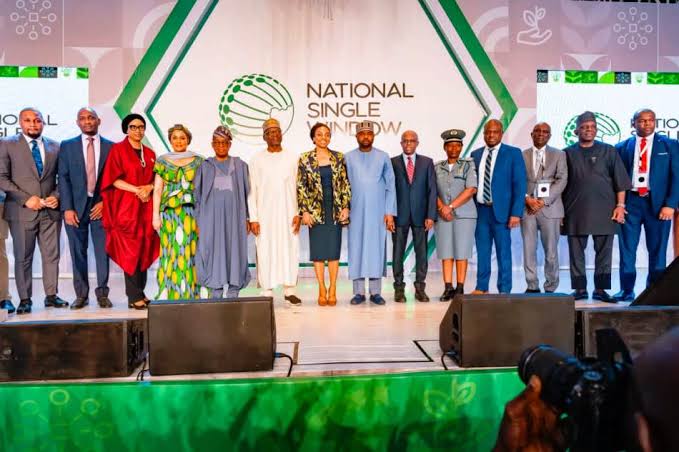
As we enter a new economic era, the launch of the National Single Window initiative represents our best chance to modernise. To truly understand how this transformation works, we must look at the blueprint already operating successfully at the Lekki Deep Sea Port.
The success of the Lekki model relies entirely on one core engine: digital automation. Unlike older Ports that were built around manual handovers, Lekki was designed from the ground up to be a paperless ecosystem. By automating the entire cargo journey from vessel berthing to gate clearance, it has shown that technology can eliminate human error and bureaucratic corruption.
The integration of high-speed container scanners, automated gate systems, and digital manifest processing has slashed vessel turnaround times from several days to just a few hours. This is the practical standard that the National Single Window aims to scale across all Nigerian Ports.
The most visible impact of this digital shift is the removal of human contact in the clearing chain. When clearing agents, customs officials, and terminal operators interact face-to-face over physical paperwork, delays and extortion become inevitable.
Lekki’s digital automation bypasses this vulnerability completely. It allows shipping lines and clearing agents to upload documents, track clearances, and make payments online from any location.
Related Posts
This transparent system ensures that every cargo movement is logged in real time. It removes the arbitrary delays that have frustrated Nigerian importers for generations.
Furthermore, digital automation has transformed Port logistics beyond the waterfront. In traditional Ports, thousands of trucks queue along access roads for weeks, causing severe gridlock because they lack real-time scheduling information. Lekki fixes this by using an automated truck call-up system that is linked directly to terminal operations.
Trucks are only allowed to approach the Port when their containers are cleared and ready for pickup. This smooth coordination keeps the access corridors free of traffic, cuts down transport costs, and proves that Port efficiency requires a digital bridge between the sea and the land.
However, the real power of the Lekki model will only be unlocked when it is fully integrated into the National Single Window network.
While Lekki operates as an efficient digital island, the National Single Window will connect it directly with the central systems of the Nigeria Customs Service, the Nigerian Ports Authority, and key regulatory agencies like NAFDAC and SON.
This total alignment means a single digital entry will clear goods across all agencies at the same time. It will turn Nigeria from a high-cost maritime destination into West Africa’s leading shipping hub.
We can no longer afford to run a twenty-first-century economy with twentieth-century Port procedures. The Lekki model proves that digital automation is not a futuristic luxury; it is an urgent economic necessity.
By adopting this automated framework for the National Single Window, Nigeria can finally eliminate Port delays, protect government revenue, and give our businesses the fast, transparent, and world-class trade environment they deserve.
Chief Ibrahim Nasiru
Is a Public Affairs Analyst