
PEBEC And NPA Collaborate On Port Efficiency-Launch PCEC
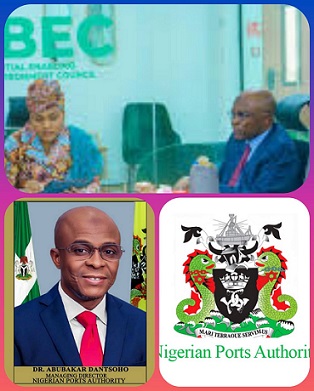
The Presidential Enabling Business Environment Council (PEBEC) and the Nigerian Ports Authority (NPA), has launched the Ports and Customs Efficiency Committee (PCEC), for greater efficiency and ease of doing business in Nigerian sea ports.
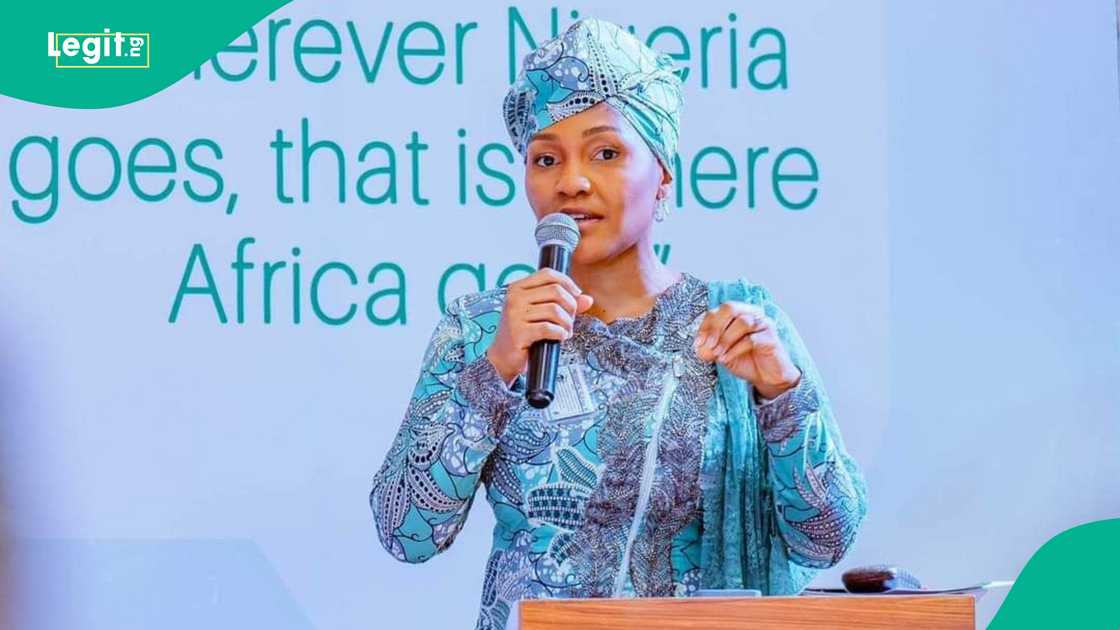
Director General, PEBEC, Princess Zahrah Mustapha, speaking during the inaugural meeting said improving efficiencies at the nation’s seaports would reduce cargo dwell time, vessel turnaround time and turnover for Customers and country
Princess Zahrah stated that the committee was launched to change the narrative of missed opportunities in the maritime sector and unlock potential opportunities that will enhance the national economy noting the PCEC intervention is purpose driven and would not end up gathering dust in the cupboard.
Her words “By improving efficiencies in our ports, we can drastically reduce the average cargo dwell time and turnover time for customers, eliminate duplication of documentation and manual processes and ensure customers’ satisfaction”
“This is not just another one of our reforms, but this is about resilience, it’s about unlocking potential opportunities, and enhancing Nigeria’s economy. This is not just a committee made up of government force for a difference, this also has a lot of private sector stakeholders”
Related Posts
“It is a call to action for terminal operators to improve infrastructure and for shipping companies to increase efficiency so as to reduce delays, for freight forwarders to uphold compliance, and for regulators to reduce bureaucratic bottlenecks. It is a call for shared ownership of our shared problem and a commitment to deliver a shared solution.”
The PEBEC DG stated that Customs Committee was established to go beyond identifying the problems but to begin implementing solutions that are long overdue.
According to her “Nigeria loses a lot every single day due to some of our inefficiencies. These are not just numbers, these are missed opportunities. They represent jobs not created, goods not delivered, investments not realised, and economic growth that is unnecessarily delayed”
“The Ports and Customs Efficiency Committee has been established to change this narrative, to go beyond identifying the problems we already know and begin implementing the solutions we all agree are long overdue”
Dantsoho declared that port infrastructure, particularly in Apapa and Tin Can Island Ports are aged and in dire need of rehabilitation.