
THE NATIONAL SINGLE WINDOW MASTERCLASS (5): One Screen, Many Enemies
Single Window in Nigeria
By Ibrahim Nasiru
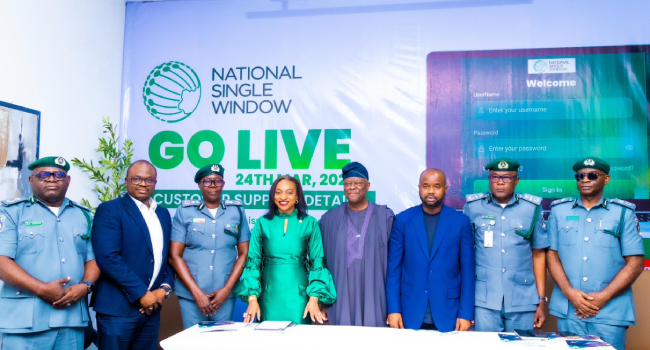
The ongoing implementation of Nigeria’s National Single Window project faces a critical, silent threat that has derailed every previous port automation attempt. That threat is not technological; it is institutional sabotage disguised as regulatory independence. For decades, Nigerian maritime gateways have operated as a collection of isolated fiefdoms, where competing agencies fiercely protect their manual, discretionary powers over cargo clearance. If the presidency and the newly minted National Single Window team believe that simply deploying a unified IT software portal will automatically force collaboration, they are falling for a dangerous administrative illusion. A unified portal without a legally binding, single enforcement engine is nothing more than a digital viewing gallery for structural chaos.

True single window success relies entirely on a dual mechanism of system-level interoperability and unyielding legal enforcement. Interoperability means that the Nigeria Customs Service, NPA, NIMASA, and the Standards Organisation of Nigeria (SON) must do more than just exchange data. They must operate on a single, synchronized risk-management matrix where an upload to one command instantly updates the entire network. Under this framework, once a cargo profile passes the automated risk evaluation, no individual agency official should possess the arbitrary discretionary power to halt that container at the terminal gates. Multiple physical inspections by competing units must be explicitly criminalized. We must transition from an era of passive guidelines to an era of active, punitive enforcement.
Related Posts
This is where the New Enforcement Reality of Nigerian Ports (NPERA) must serve as the primary legal engine. As I continuously focus on in my system and institutional audits, true modernization cannot coexist with fragmented administrative authority. The NPERA framework must be used to hardcode automated legal triggers directly into the Single Window architecture. If an agency fails to log its inspection report or clear a cargo profile within a strictly mandated, hard-coded window, the system must automatically bypass that node and generate an instant non-compliance query against the head of that specific Port command. Removing human delays requires removing the human capacity to stall.
The macroeconomic dividends of locking down this interoperability matrix are immediate and massive. By eliminating the manual parallel paper trails and overlapping physical checks, we can realistically slash cargo dwell times from weeks to guaranteed hours. This direct acceleration of cargo throughput will systematically eradicate the artificial bottlenecks that feed the multibillion-naira demurrage trap—a bleeding point that directly drives inflation across the wider Nigerian domestic market. Furthermore, transforming our Ports into highly predictable, high-velocity entry points instantly positions Nigeria as the dominant transshipment hub for the entire West African sub-region, naturally attracting the newest classes of global mega-vessels.
However, executing this level of structural transformation requires an uncompromising high-altitude command layout. The National Single Window platform cannot be placed under the administrative control of any single competing ministry, as that will instantly ignite turf wars and bureaucratic gridlock. It must operate as an independent, sovereign command entity reporting directly to the Presidency. Only an apex authority can shield the platform from institutional subversion and enforce uniform compliance across all maritime actors. Until we establish this centralized enforcement anchor, our software portals remain empty promises. The foundation is ready; now we must mandate the compliance.
Chief Ibrahim Nasiru, a Public Affairs Analyst writes from Abuja